Rule-based trading starts with a decision you can describe
Rule-based trading is a way of making market decisions through explicit conditions instead of relying only on an impression in the moment. A rule says what the system should observe, what must be true, which risk checks apply and what action is allowed when those requirements are met.
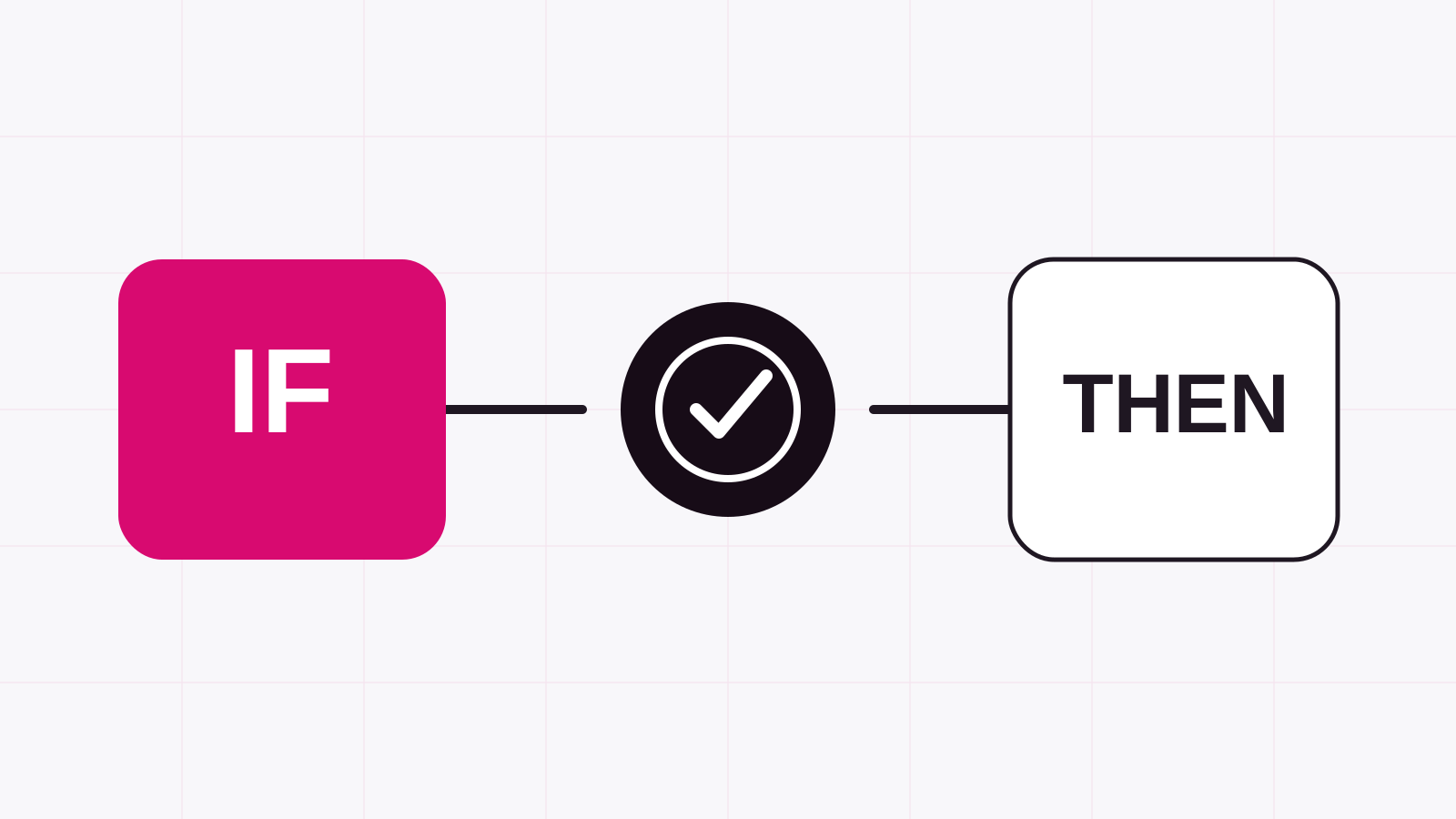
The simplest structure is IF/THEN: if a chosen market condition occurs, then prepare or perform a defined action. A complete trading rule also explains position size, exit conditions, limits and what should happen when important information is missing.
The four parts of a usable trading rule
A useful rule is more than an entry signal. It connects the observation, the action, the protection around that action and the evidence needed to understand the result later.
- Condition: the measurable event the system watches, such as a price reaching a chosen level.
- Action: the permitted next step when the condition is satisfied.
- Risk boundary: allocation, exit and other limits that must be checked first.
- Decision record: the values, status and outcome that explain what happened.
A rule can be systematic without becoming a black box
Automation does not have to hide the decision. A transparent system can show whether a condition is still being monitored, whether a risk check blocked the next step or whether an action moved forward. The point is not to remove control from the user. It is to make repetitive monitoring consistent and visible.
This distinction matters because a rule may wait for many valid reasons. The price may not have reached the threshold, the planned allocation may exceed a limit, or a required value may be unavailable. A readable status prevents a silent non-action from looking like a system failure.
A plain-language example
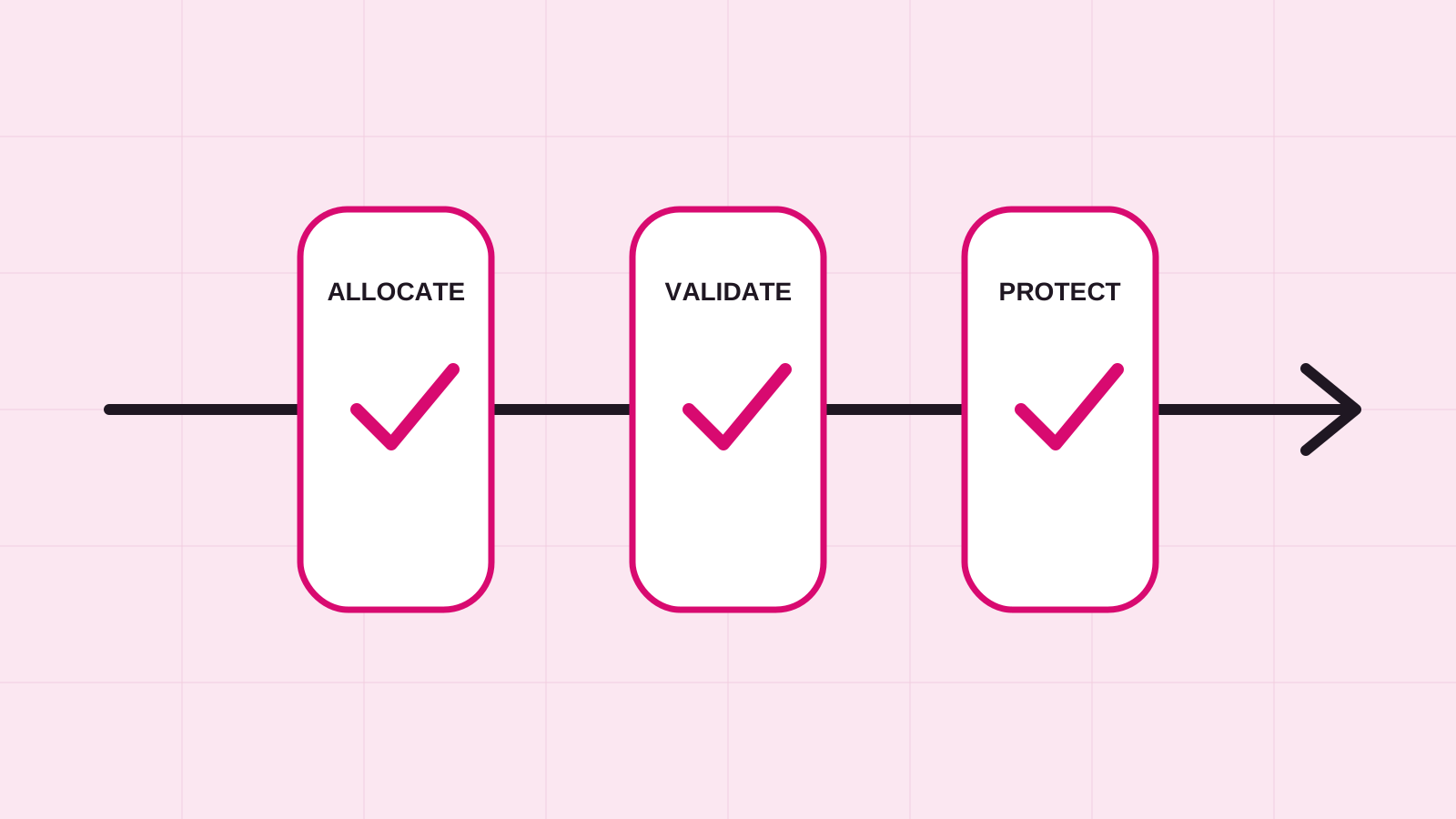
Consider the idea: “If an instrument trades below my chosen target, prepare a purchase within my allocation limit, then protect the position with my exit rules.” The condition, permitted action and boundary are all visible. The wording does not promise that the idea is profitable; it only makes the intended process explicit.
useif.trade is designed around this readable sequence. You define the logic, the platform monitors the selected conditions, checks the active boundaries and keeps the resulting decision trail available for review.
This article is for general informational purposes only. It is not investment advice, a recommendation or a promise of future results.