Risk checks should happen before the action
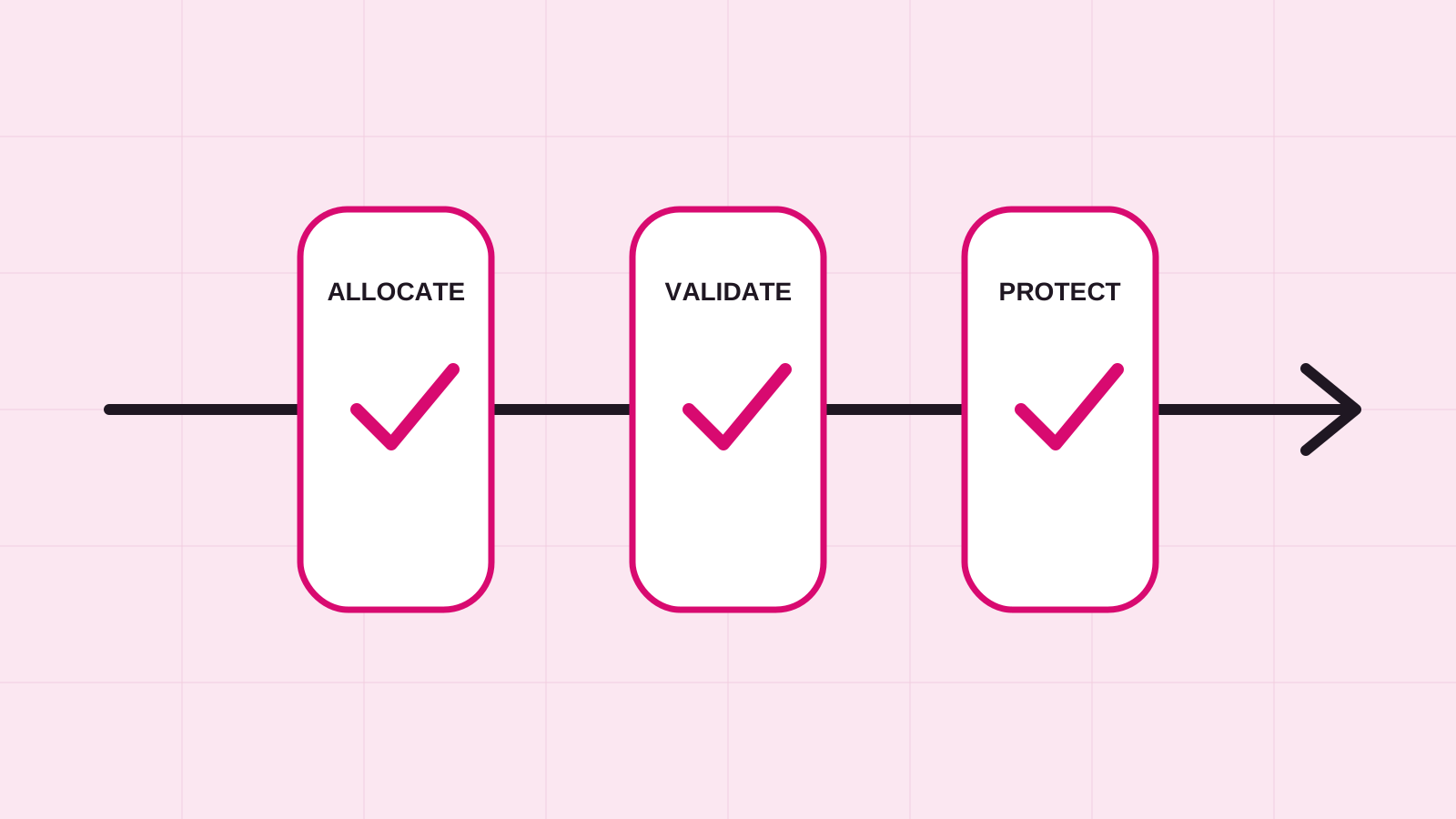
In trading automation, a risk control is a condition that must be satisfied before an action is permitted. It is part of the operating logic, not a disclaimer added after the system has already decided what to do.
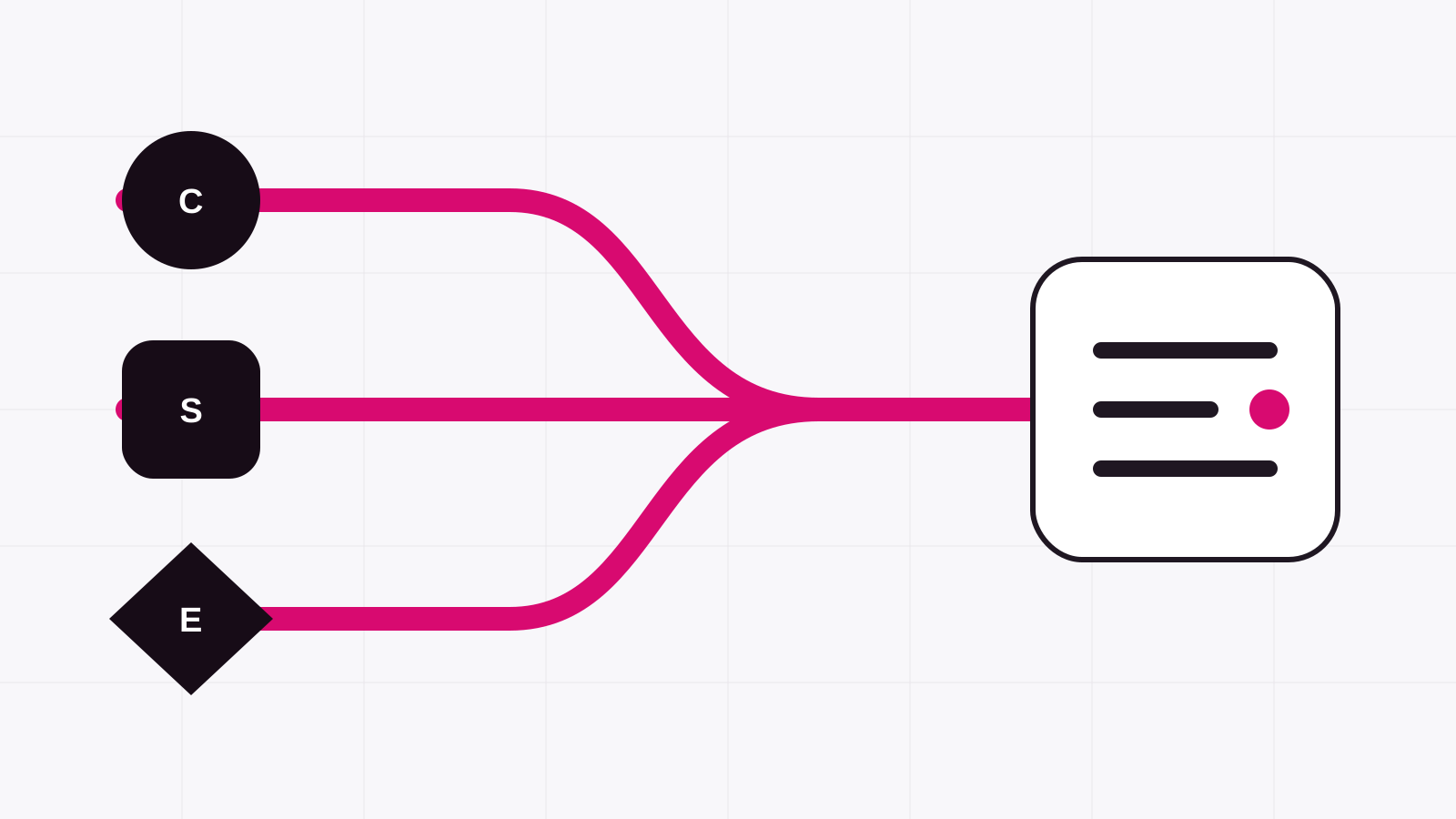
This approach makes the boundary visible. A rule can be ready from a market perspective and still wait because the planned allocation, available information or current execution state does not satisfy the active controls.
Allocation and position boundaries
An allocation boundary defines how much a rule may use. The check can compare the planned action with a user-selected limit before the request moves forward. This does not predict whether a trade will succeed; it constrains the size of the permitted action.
Exit conditions belong to the same structure. When the entry idea and the intended exit logic are recorded together, the user can review the complete plan instead of treating protection as an unrelated step.
Operational controls prevent avoidable ambiguity
Automated workflows also need protections against operational problems. A pending action should not silently become a duplicate action. Missing required data should not be treated as zero or as permission to continue. An unknown state should cause the rule to wait until the system can make the check correctly.
- Duplicate protection while an earlier action remains unresolved.
- Required-data validation before evaluating a condition.
- Visible order and execution states instead of assumed success.
- A recorded reason when a rule waits or is blocked.
A decision trail turns controls into evidence
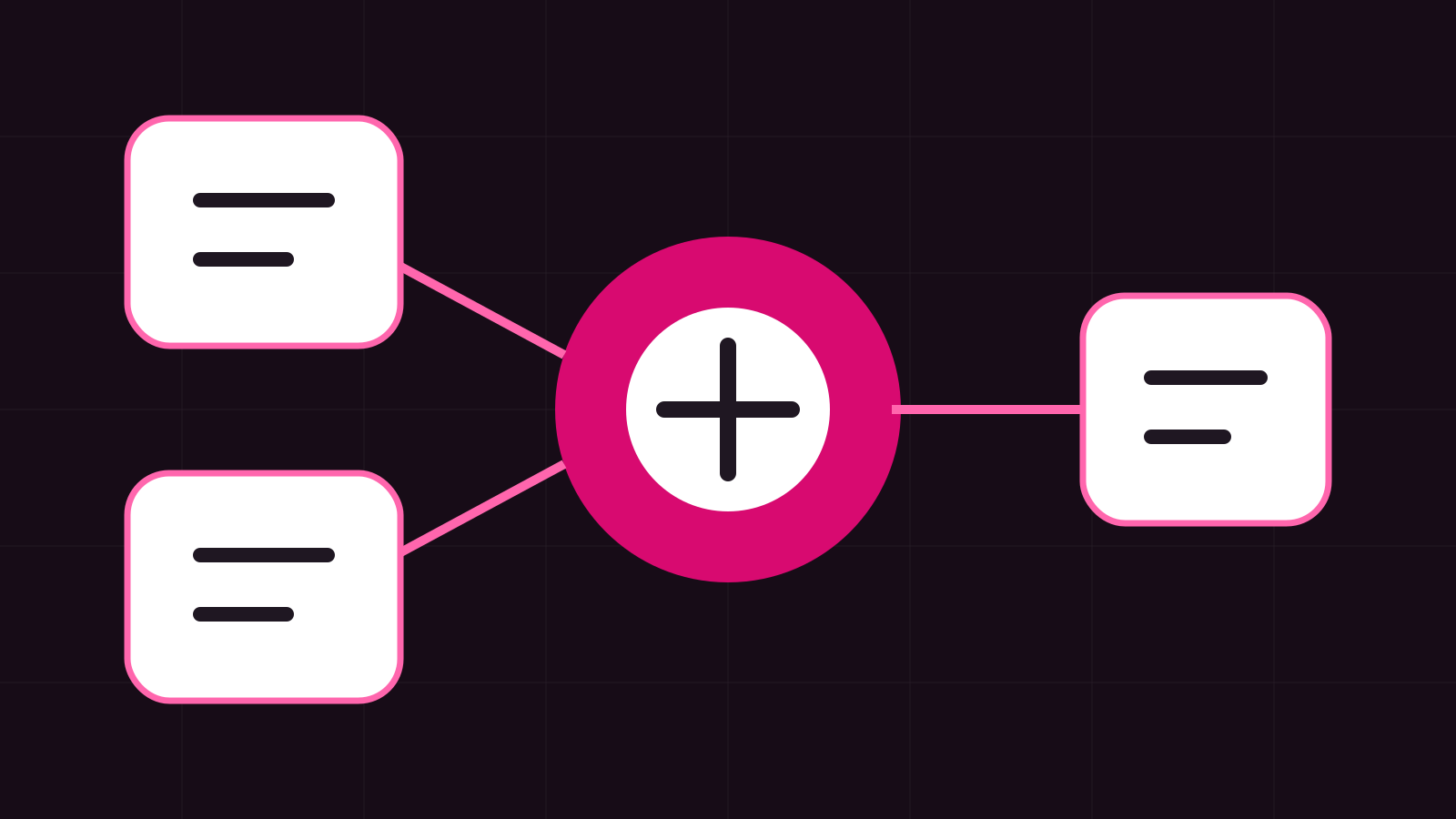
A control is easier to trust when its result is reviewable. The decision history should show which condition was checked, the value available at the time, which boundary passed or failed and how the execution state changed later.
useif.trade treats this evidence as part of the rule. The objective is a workflow in which the user can follow the condition, the risk decision and the resulting state without guessing why the system acted or waited.
This article is for general informational purposes only. It is not investment advice, a recommendation or a promise of future results.