AI should support the decision, not hide it
AI-assisted trading tools can help organise information, compare a scenario with a stated objective and surface relevant context. The risk appears when an output is presented as an unexplained instruction. A user cannot evaluate a conclusion that arrives without its assumptions, scope or relationship to the active rule.
Explainable AI keeps the contribution visible. The user can distinguish the market observation, the AI-produced context, the fixed risk checks and the action that the rule is allowed to perform.
Focused roles are easier to understand
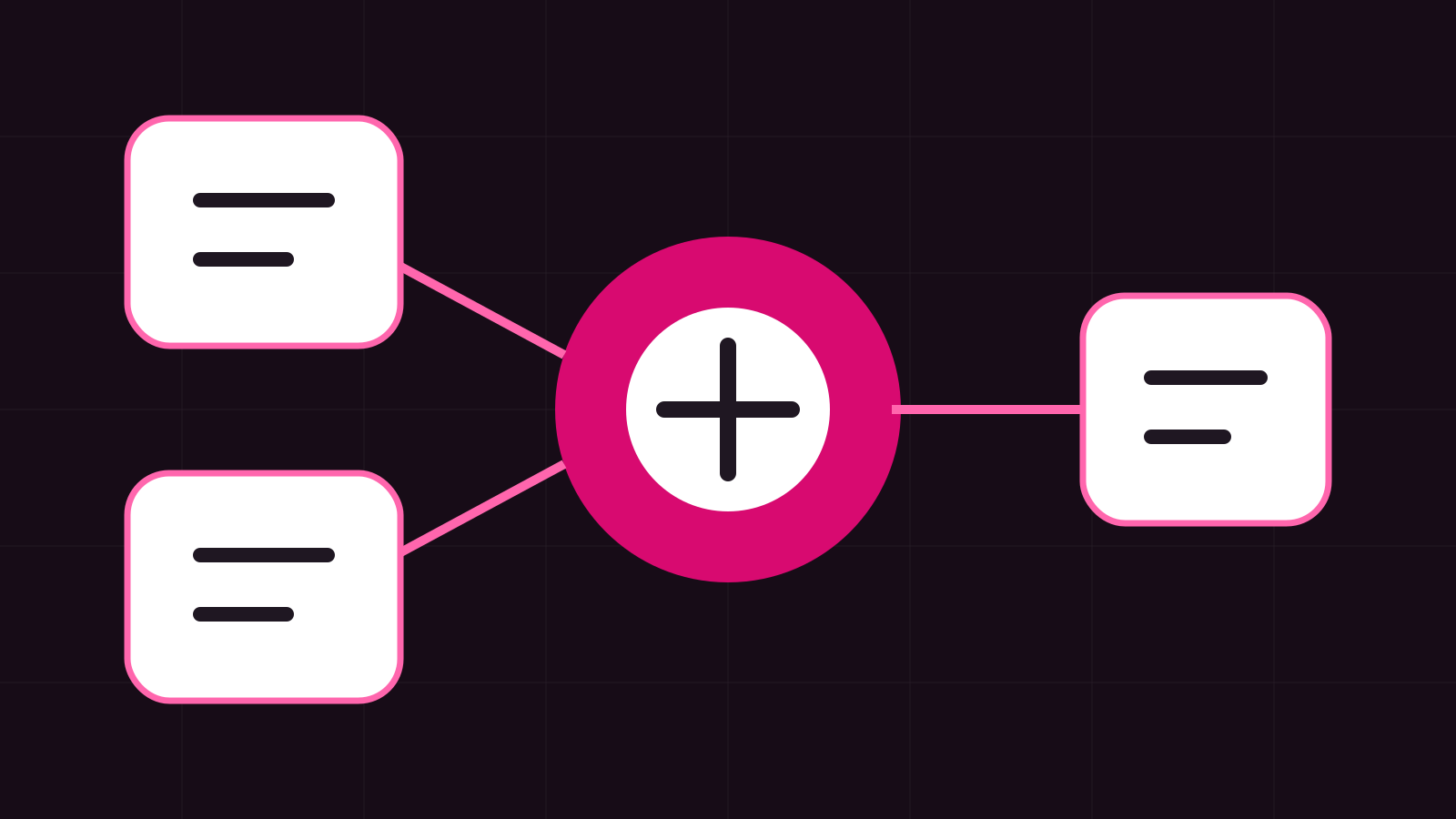
A single assistant that claims to do everything can blur research, risk and action. useif.trade separates AI support into focused roles so each output has a clear purpose in the workflow.
- An AI analyst examines the scenario and prepares an explainable assessment.
- An AI risk manager reviews the plan against the stated boundaries.
- An AI news reader brings relevant market context into view.
AI context is not a risk control
An AI assessment can be useful and still be wrong. That is why allocation limits, required-data checks and execution permissions should remain deterministic parts of the rule rather than suggestions that the model may reinterpret.
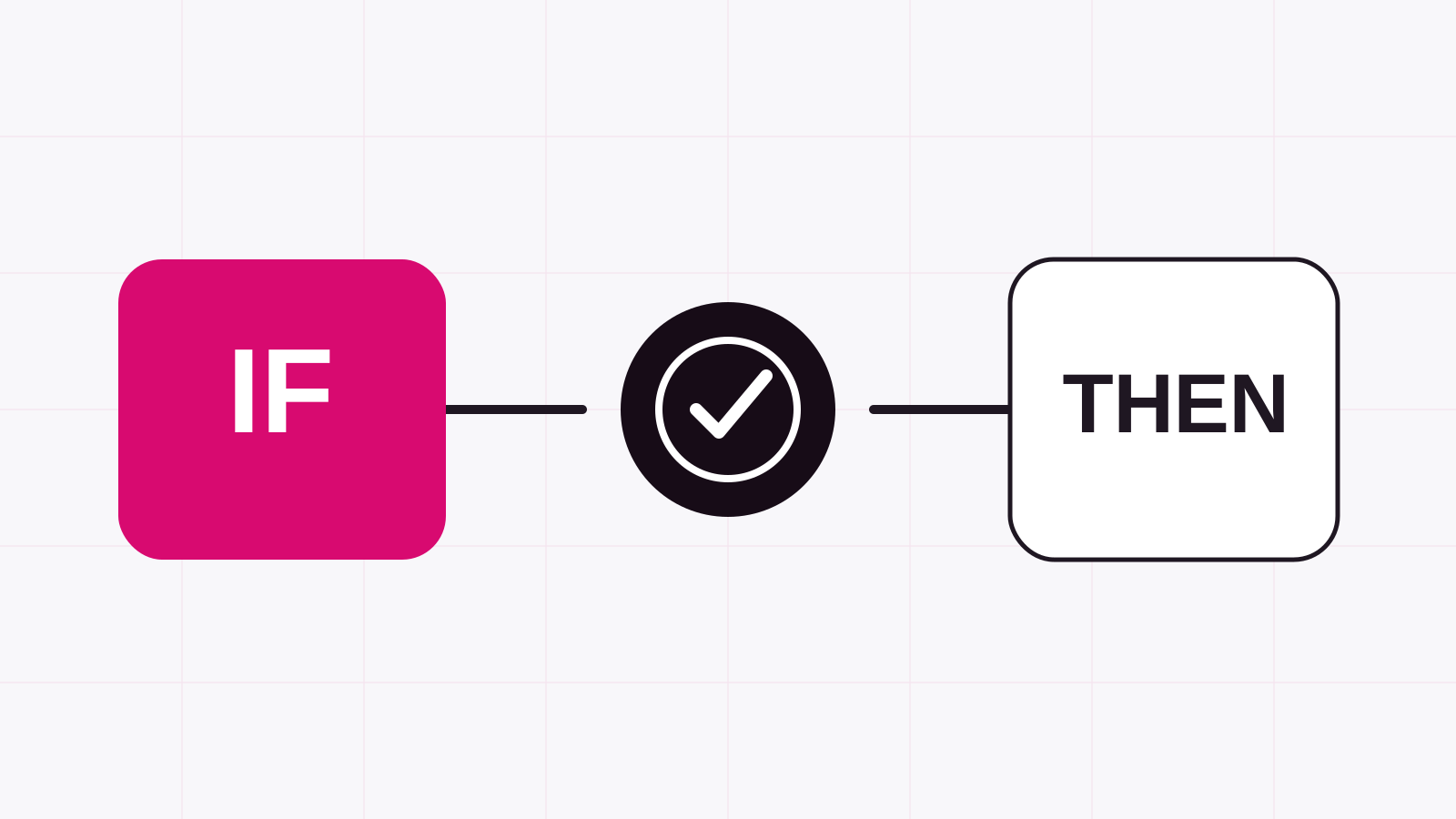
The user defines the boundaries. AI helps with research and preparation inside that structure, while the rule engine applies the controls that determine whether an action may proceed.
Keep the contribution in the decision history
Explainability should continue after the initial analysis. A useful decision trail can show what information was considered, what the rule checked, which boundary affected the result and how the state changed over time.
This is the role of the AI team in useif.trade: add useful context to a transparent rule workflow while leaving ownership of the rule and its limits with the user.
This article is for general informational purposes only. It is not investment advice, a recommendation or a promise of future results.