
No-code describes how the rule is built
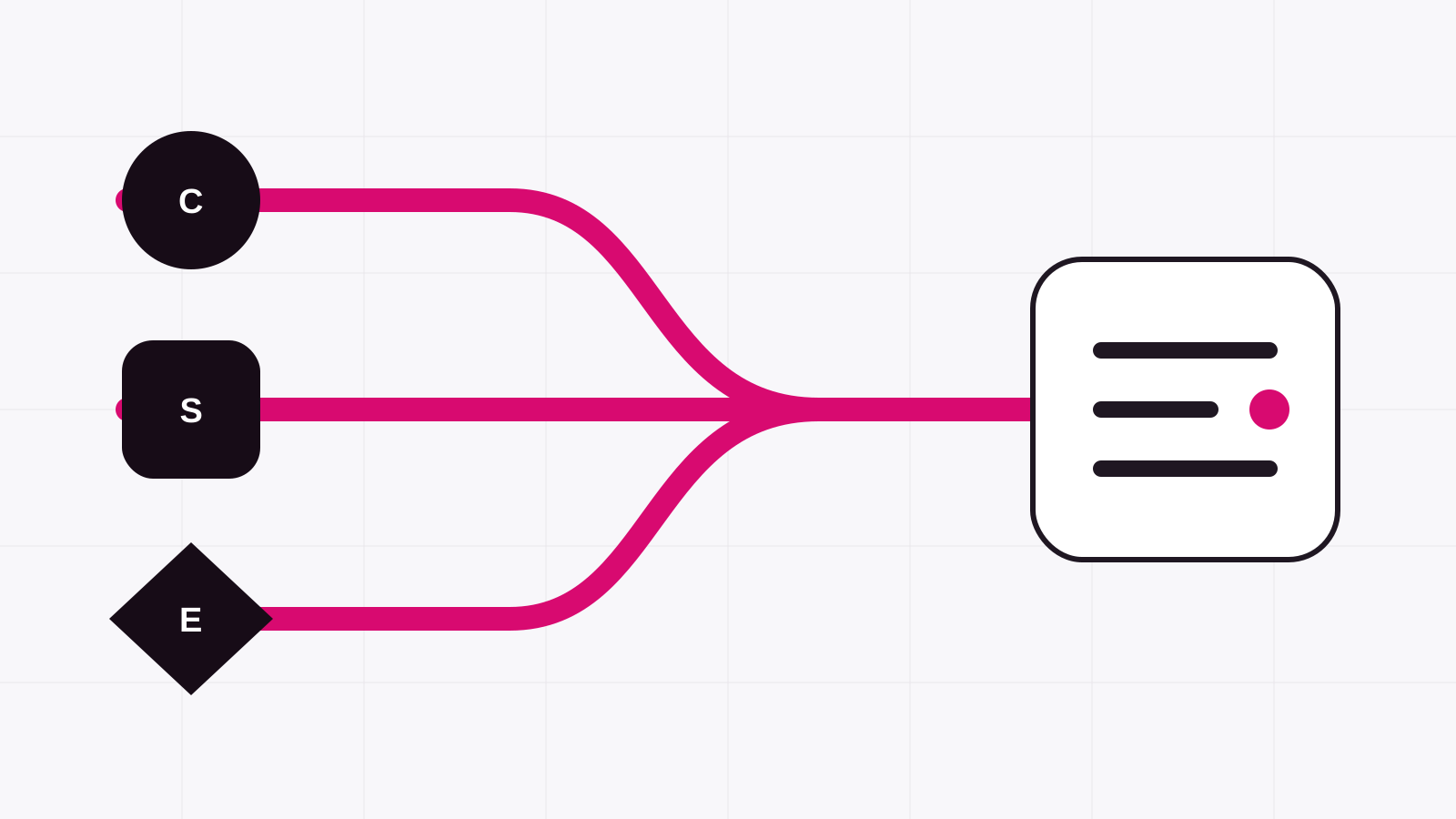
No-code trading automation lets a user define a trading process without writing software. Instead of expressing logic in a programming language, the user selects instruments, conditions, actions and limits through a structured visual rule builder.
The automation still depends on precise logic. No-code does not mean “no rules.” It means the rules can be assembled and read in a form that is closer to ordinary language than source code.
From an idea to a monitored workflow
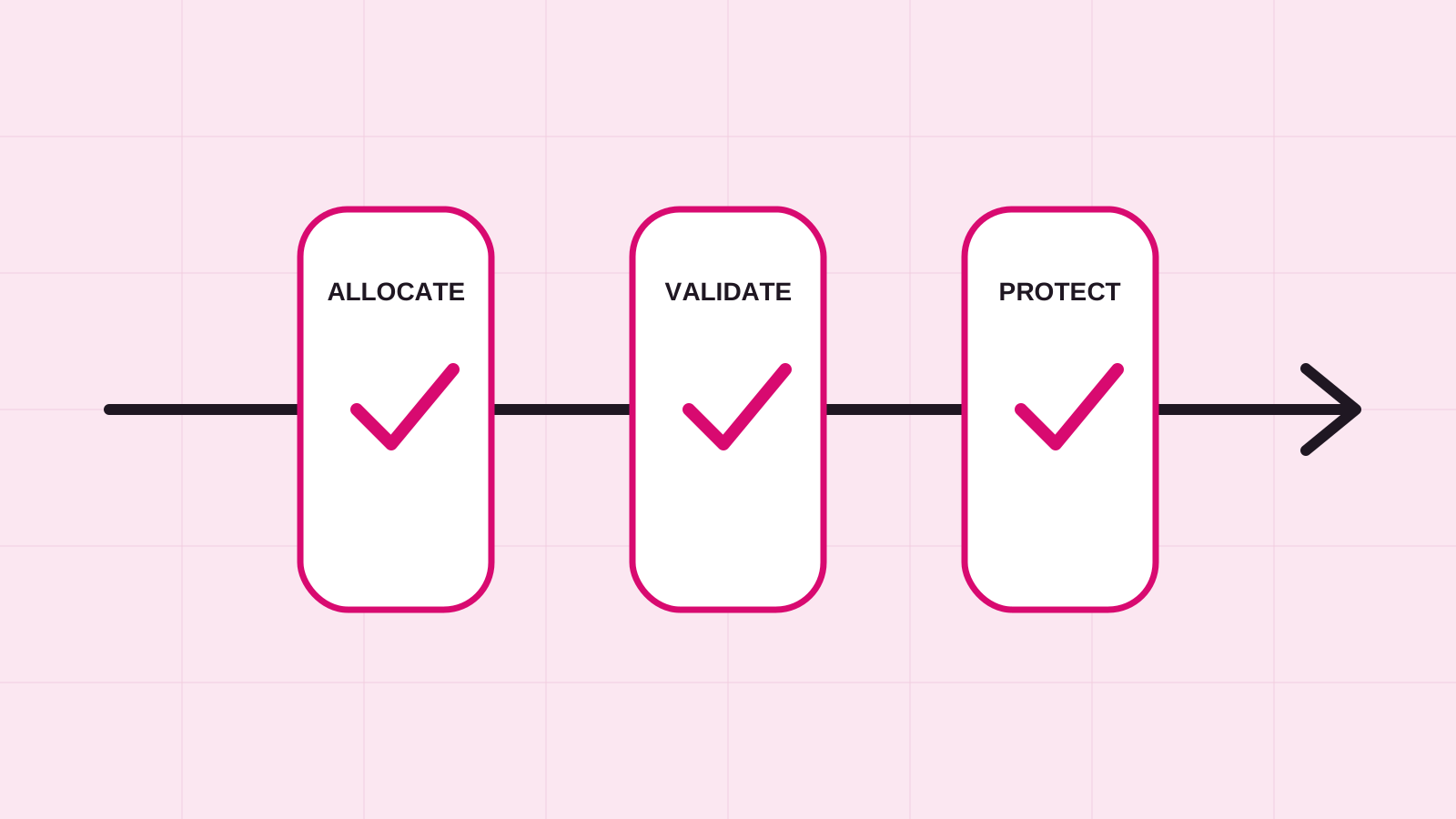
A no-code workflow begins with an observable condition. The system then needs to know what to check, what action is permitted, how much may be allocated and which exit or protection logic applies. Once the rule is active, it can watch the selected values without requiring the user to repeat the same manual check throughout the day.
- Choose the market and instrument the rule should observe.
- Define one or more measurable conditions.
- Specify the allowed action and allocation boundary.
- Add exit logic, notifications and reviewable status information.
Visibility matters as much as convenience
A visual builder is useful only when the saved rule remains understandable after it starts running. The user should be able to see the active condition, the latest available values and the current state without reconstructing the logic from a script or a collection of disconnected settings.
useif.trade keeps rule creation, market context, risk checks and decision history in one workflow. This makes the automation easier to inspect before an action and easier to review afterward.
What no-code automation does not do
No interface can remove market risk or turn an incomplete idea into a reliable strategy. The user still chooses the assumptions, thresholds and boundaries. Automated execution can follow a defined process, but it cannot guarantee a favourable result.
The practical benefit is consistency: a clear rule can monitor the same condition in the same way, keep its state visible and reduce the need for repetitive manual observation.
This article is for general informational purposes only. It is not investment advice, a recommendation or a promise of future results.