Crypto trading automation
Crypto markets operate continuously, which can make repetitive monitoring especially demanding. An automated crypto rule can watch a selected condition and keep the latest status available without requiring a person to remain in front of the market around the clock.
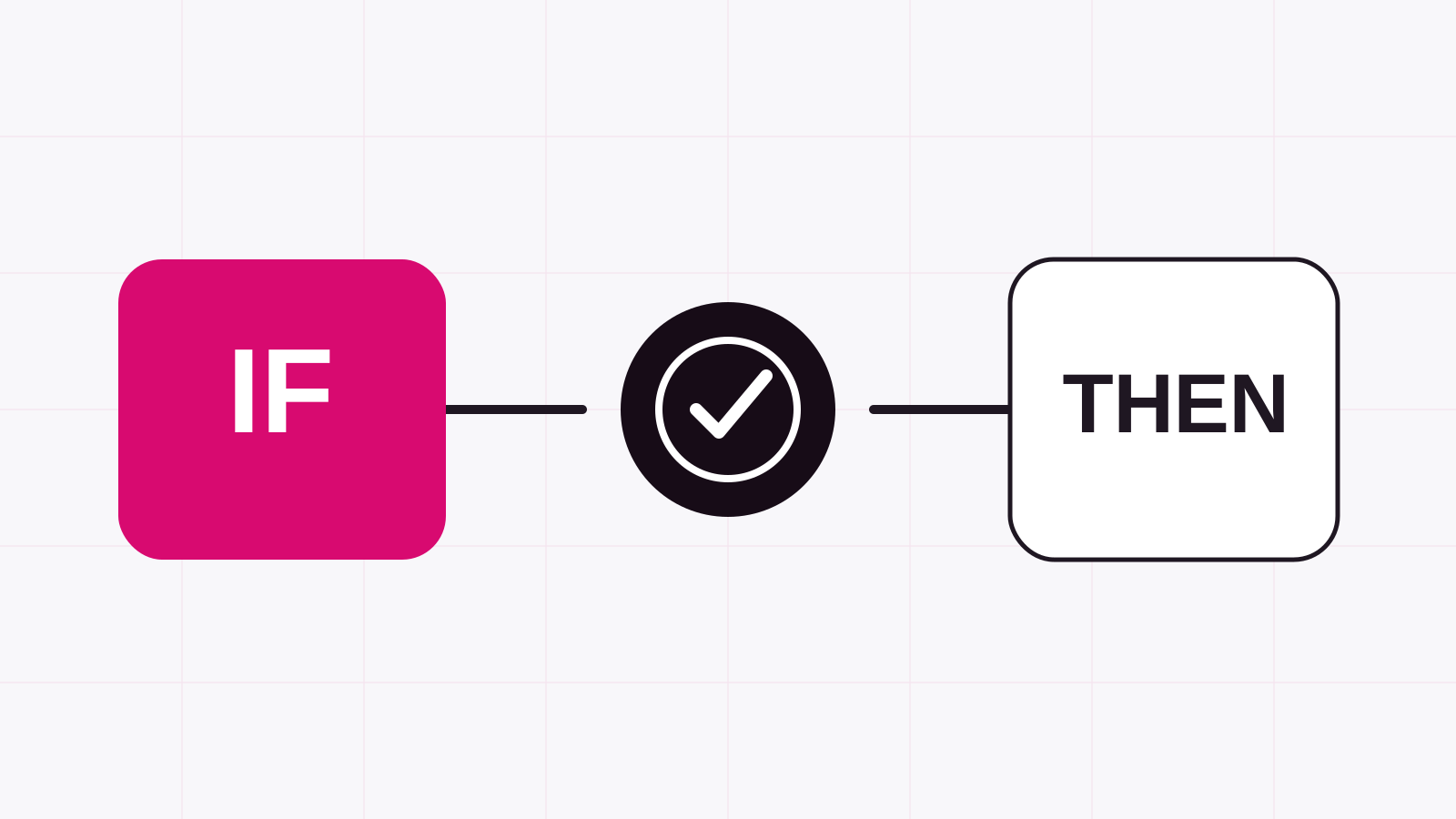
Continuous availability also makes clear limits important. The rule should state which instrument it observes, what condition matters, what action is allowed and when missing or incompatible information should stop the workflow.
Stock and ETF automation
For listed instruments, a rule may support planned entries, position monitoring or exit conditions around a longer investment horizon. An ETF monitoring rule can follow a chosen threshold with the same readable logic used for an individual stock while keeping the specific instrument and account context explicit.
Long-term investors may use automation to maintain a plan rather than to increase trading frequency. Active traders may connect more conditions and shorter review cycles. The rule structure can remain clear in both cases.
Why a connected workspace helps
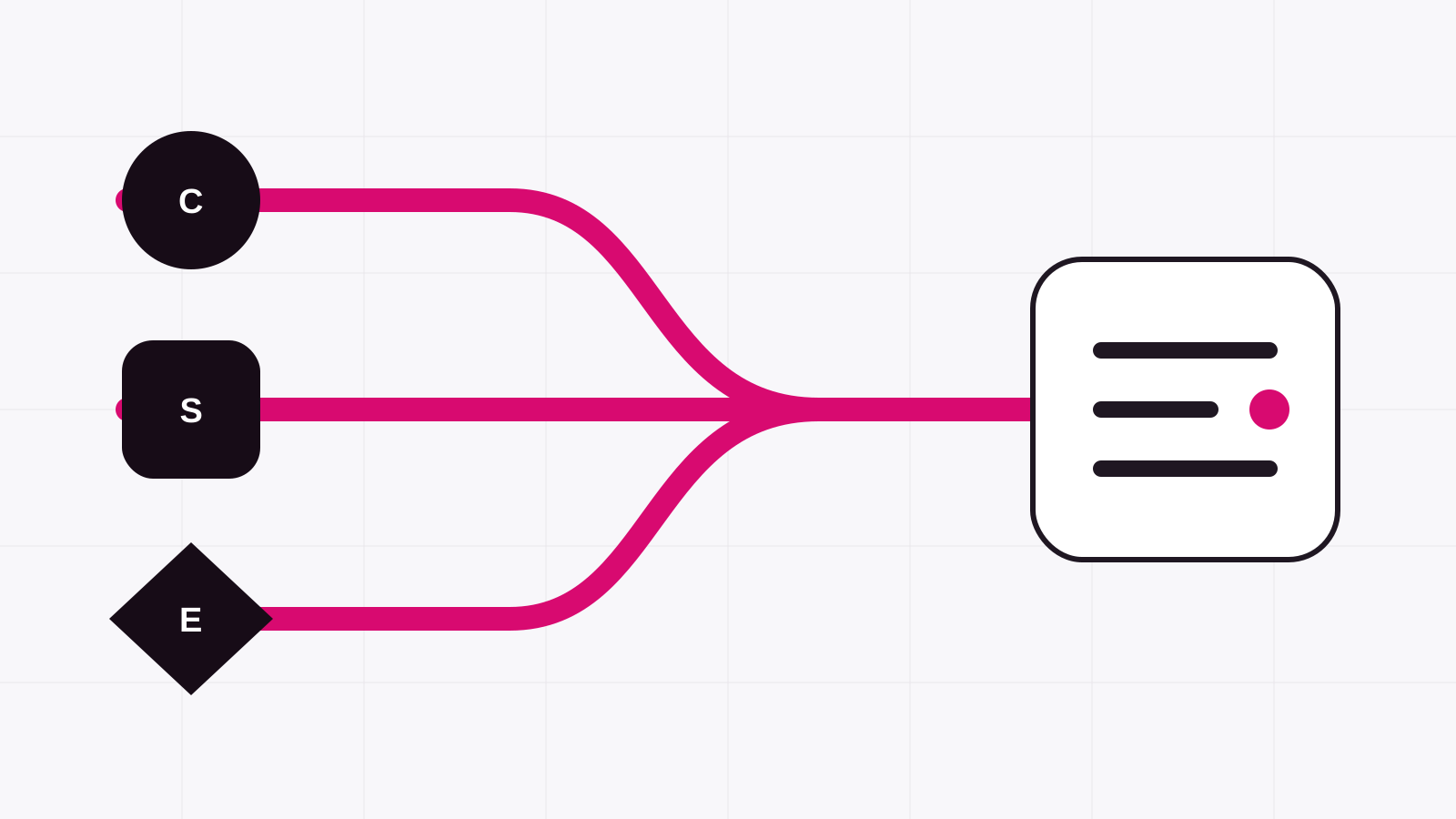
When each market uses a completely different process, the user has to reconstruct how conditions, risk checks and outcomes relate. A connected workspace keeps those stages in a familiar order while allowing the market-specific details to remain visible.
useif.trade is built around this cross-market rule language for exchange-traded and crypto instruments. The platform keeps the condition, analysis, risk boundary and decision trail connected instead of presenting them as unrelated tools.
This article is for general informational purposes only. It is not investment advice, a recommendation or a promise of future results.